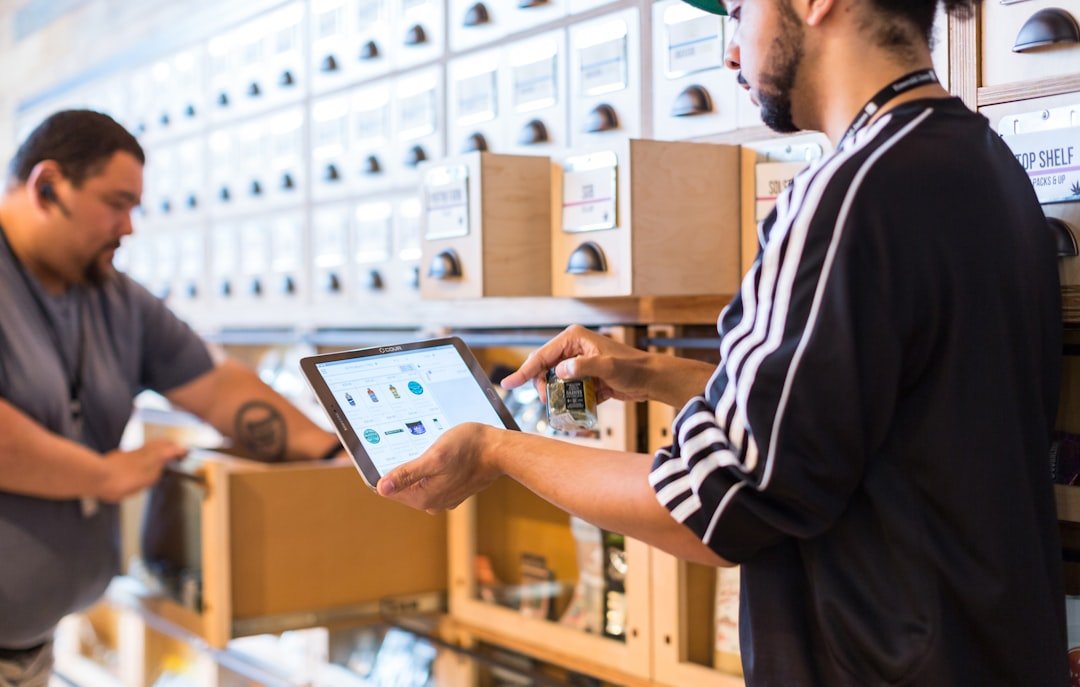
Understanding AI-Powered Inventory Management
AI inventory management tools use advanced algorithms—machine learning, demand forecasting, and computer‑vision—to predict product needs and automate replenishment.
Definition of AI inventory tools and core technologies
Machine learning analyses past sales, seasonality and external factors to forecast demand. Computer‑vision monitors shelf levels in real time, while predictive analytics suggests optimal reorder points.
Difference between traditional and AI‑driven inventory systems
Traditional systems rely on static reorder points and manual stock‑taking, often leading to over‑stock or stock‑outs. AI‑driven solutions continuously learn from data, adjusting safety stock and order quantities dynamically.
Key features relevant to small and medium retailers
- Auto‑reorder based on real‑time demand signals
- Instant stock alerts on mobile devices
- Sales prediction dashboards tailored for SMBs
Why AI Inventory Solutions Matter for Punjab Retailers
Punjab’s retail landscape faces seasonal spikes (festivals like Diwali and Baisakhi), perishable goods, and fragmented supply chains.
Addressing common challenges
- Seasonal demand spikes: AI predicts festival‑driven surges.
- Perishable goods: Real‑time monitoring reduces waste.
- Fragmented supply chains: Automated reorder shortens lead times.
Quantifiable benefits
Studies show 15‑30% reduction in stock‑outs, a 20% cut in holding costs, and markedly improved cash flow for retailers adopting AI inventory management for Punjab retailers.
Top AI Inventory Tools Suitable for Local Stores
Several SaaS platforms cater to Indian SMBs.
Popular Indian SaaS platforms
- Zoho Inventory with AI – integrates with Zoho Books and offers demand forecasting.
- Unicommerce – AI‑driven multi‑channel inventory for e‑commerce and brick‑and‑mortar.
- Bizongo AI – focuses on B2B wholesale with smart reorder alerts.
Affordable regional solutions and mobile‑first apps
Apps like Shopify POS India and local startups such as RetailPulse provide low‑cost, Android‑centric interfaces ideal for shop owners in Zirakpur and nearby towns.
Integration possibilities
All these tools can sync with popular POS systems (e.g., POSist), ERP suites (Tally, Marg ERP) and e‑commerce platforms (Shopify, WooCommerce) to maintain a single source of truth.
Step‑by‑Step Implementation Guide for Punjab Retailers
1. Assess current inventory processes and data readiness
Map out how stock is currently tracked, identify gaps in sales history, and ensure data is digitised.
2. Choose the right AI tool
Consider store size, product mix (garments, groceries, electronics) and budget. For a small boutique, Zoho Inventory’s free tier may suffice; a larger grocery chain may need Unicommerce’s advanced features.
3. Data onboarding
Import past sales, supplier lead times, SKU attributes, and any seasonal calendars into the chosen platform.
4. Configure AI settings
- Set demand‑forecast horizon (e.g., 30‑90 days)
- Define safety stock rules per product category
- Establish reorder triggers (e.g., 20% below safety stock)
5. Train staff and run a pilot
Start with a single product line—like winter jackets—monitor AI recommendations, and adjust parameters before scaling.
Success Stories from Punjab Markets
Case study: Chandigarh garment boutique
Using Zoho’s AI demand forecasting, the boutique reduced stock‑outs by 28% within three months, freeing up ₹4 lakh in working capital.
Case study: Ludhiana grocery store
By deploying a computer‑vision shelf monitoring system, the store cut perishable waste by 22%, saving approximately ₹2.5 lakh annually.
Lessons learned and tips for Zirakpur
- Start small, measure ROI, then expand.
- Maintain clean, up‑to‑date product data.
- Engage staff early; they are the eyes on the floor.
Future Trends: AI, IoT, and the Smart Retail Ecosystem in Punjab
Integration of IoT sensors
Smart shelves equipped with weight sensors feed real‑time stock levels to AI engines, eliminating manual counts.
AI‑driven dynamic pricing and personalized promotions
Algorithms can adjust prices based on demand elasticity and suggest targeted offers via WhatsApp or SMS.
Potential for blockchain‑based supply‑chain transparency
Combining AI forecasts with blockchain can verify product provenance, building trust for premium Punjab brands.
Conclusion
AI inventory management for Punjab retailers offers measurable gains—lower stock‑outs, reduced holding costs, and stronger cash flow. By following the step‑by‑step guide, local businesses can adopt the right tools, pilot them wisely, and scale for sustained growth.
Ready to transform your inventory? Contact Alif InfoTech Solutions today to design a customized AI inventory system that fits your Punjab retail business.