Why AI is a Game‑Changer for Ludhiana Retail
Ludhiana’s retail landscape is evolving faster than ever. With smartphones in almost every pocket and digital wallets becoming the norm, Punjab’s merchants are embracing technology to stay relevant. AI‑powered customer insights for retail Ludhiana enable store owners to sift through millions of transactions in seconds, revealing patterns that were previously hidden.
By turning raw sales data into actionable intelligence, retailers gain a competitive edge. Decisions on inventory, pricing, and promotions become data‑driven rather than guesswork, leading to higher margins and happier customers.
Analyzing Buying Patterns with AI Tools
Collecting POS and loyalty data
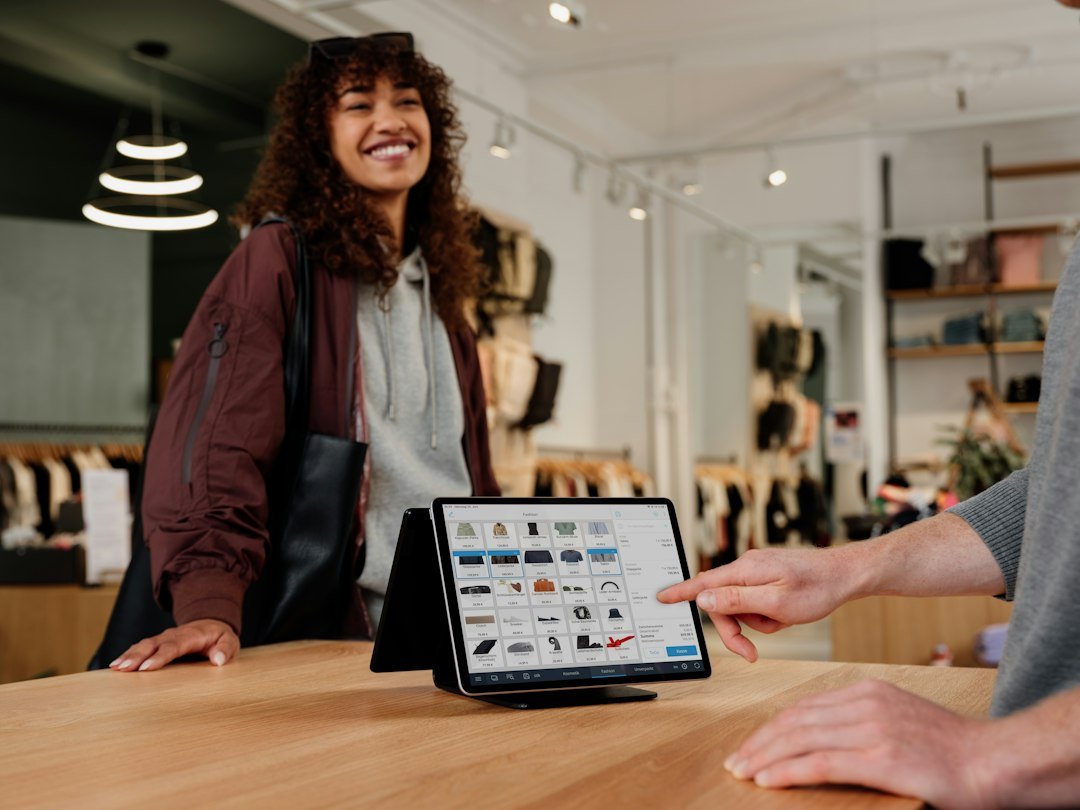
Modern point‑of‑sale (POS) systems capture every barcode scan, payment method, and loyalty card swipe. When this data is fed into an AI engine, it creates a 360° view of each shopper’s journey.
Using clustering and predictive models to spot trends
AI algorithms group customers based on purchase frequency, basket size, and product affinity. Predictive models then forecast which items are likely to surge in demand during upcoming festivals or school seasons.
Identifying high‑margin and low‑margin product clusters
By tagging each SKU with its profit margin, AI can highlight clusters that contribute most to the bottom line. Retailers can then prioritize shelf space and promotional spend on those high‑margin groups.
Personalizing Offers to Increase Conversion
Dynamic pricing and product recommendation engines
AI adjusts prices in real time based on stock levels, competitor rates, and shopper intent. Simultaneously, recommendation engines suggest complementary items—like a pair of socks with a shoe purchase—directly at checkout.
Segmented promotions via SMS, WhatsApp, and email
Using the insights gathered, stores can craft hyper‑targeted messages. A mother buying baby formula receives a WhatsApp coupon for diapers, while a tech‑savvy youth gets an SMS alert for a flash sale on headphones.
Real‑time offers based on in‑store foot traffic sensors
Heat‑map sensors detect crowded aisles. When a shopper lingers near a display, the system can push a push‑notification offer to their phone, nudging an impulse buy.
Driving Footfall Through AI‑Powered Campaigns
Geo‑fencing and AI‑optimized ad spend
AI analyses which neighborhoods generate the most visitors and allocates ad budgets accordingly. A geo‑fence around a nearby college triggers a special discount for students, drawing them into the store.
Predictive staffing to match peak hours
Forecast models predict footfall spikes during festivals like Baisakhi or local events. Managers can schedule additional staff in advance, ensuring smooth service and higher conversion rates.
Gamified loyalty programs that boost repeat visits
AI tailors game mechanics—such as spin‑the‑wheel offers—based on each customer’s purchase history, encouraging frequent check‑ins and repeat purchases.
Case Snippets: Ludhiana Stores Seeing Results
- StyleHub – The boutique used AI recommendations to curate personalized lookbooks. Within three months, sales rose 28% and average basket size grew by 15%.
- FreshMart – By applying demand‑forecasting models, the grocery chain cut stock‑outs by 35%, improving customer trust and loyalty.
- TechZone – AI‑driven local ad campaigns increased footfall by 22% and reduced cost‑per‑acquisition by 18%.
Step‑by‑Step Implementation Guide
- Audit existing data sources – List all POS terminals, CRM tools, loyalty programs, and footfall sensors. Ensure data is clean and consistently formatted.
- Choose an AI platform – Options include Alif Insight, Google Cloud AI, or Azure ML. Pick one that integrates smoothly with your current tech stack.
- Pilot a predictive model – Start with a single product category, such as seasonal clothing, and test demand forecasts against actual sales.
- Integrate personalized offer engine – Connect the AI output to your SMS, WhatsApp, and email marketing platforms for automated, real‑time messaging.
- Monitor KPIs and scale – Track conversion rate, average order value, footfall, and stock‑out frequency. Once targets are met, replicate the model across other categories and stores.
Conclusion
AI‑powered customer insights for retail Ludhiana are no longer a futuristic concept—they are a proven pathway to turning data into profit. Begin with a small pilot, measure the impact, and expand confidently. Ready to supercharge your Ludhiana store? Get in touch with Alif InfoTech Solutions today and let our experts guide you through every step of the AI journey.