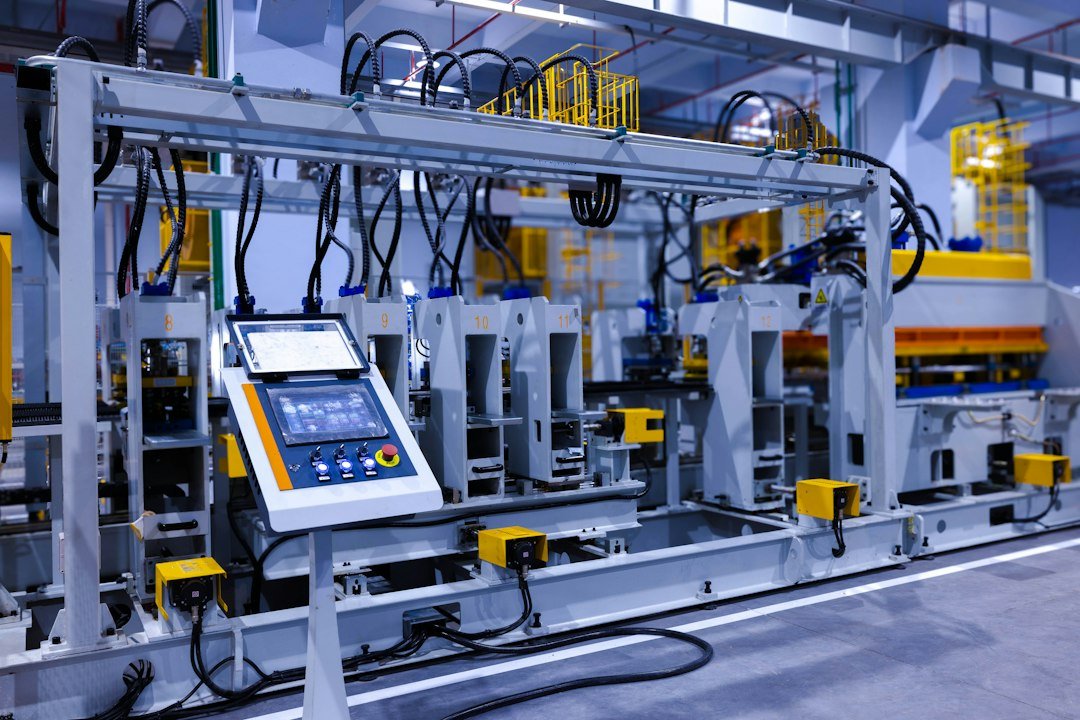
Understanding the Unique Challenges of Punjab Manufacturing
Punjab’s manufacturing sector is the backbone of the state’s economy, yet it grapples with a set of challenges that are often unique to the region. From fragmented supply chains that stretch across the Indo‑Pakistan border to legacy manual processes, these hurdles can stall growth and inflate costs.
Fragmented supply chains and logistics bottlenecks
Many manufacturers rely on a network of small‑scale suppliers spread across the districts of Ludhiana, Jalandhar and Amritsar. The lack of a unified logistics platform leads to delayed deliveries, higher freight charges, and frequent stock‑outs.
Manual processes leading to errors and downtime
Traditional paper‑based record‑keeping and spreadsheet‑driven production planning are still common. Human error in data entry often results in mismatched orders, over‑production, or idle machinery, directly impacting the bottom line.
Regulatory compliance and reporting complexities
Punjab manufacturers must adhere to GST, labor laws, and industry‑specific standards such as FSSAI for food units or ISI certification for textiles. The reporting frequency and format keep changing, making compliance a time‑consuming task for small and medium businesses.
Why Off‑the‑Shelf Software Falls Short
Generic ERP or inventory tools promise quick implementation, but they rarely address the nuances of Punjab’s manufacturing environment.
Lack of industry‑specific workflow integration
Off‑the‑shelf solutions are built for a broad audience. They cannot natively handle the specific routing of a textile loom, the batch‑wise quality checks of a food processing line, or the regional tax structures that differ from other Indian states.
Inflexible licensing and scalability issues
Most packaged software charges per user or per module, which quickly becomes expensive as a business expands. Moreover, adding new features often requires costly upgrades rather than seamless scaling.
Benefits of Custom Software for Punjab Manufacturers
Investing in custom software solutions for Punjab manufacturers unlocks a suite of advantages that directly translate into higher efficiency and profitability.
Streamlined production planning and inventory control
A tailor‑made system can synchronize shop‑floor schedules with real‑time inventory levels, reducing both over‑stock and stock‑outs.
Real‑time analytics for cost reduction and quality assurance
Dashboards that pull data from machines, suppliers and sales channels enable managers to spot cost leaks instantly and enforce quality standards before defects reach the market.
Scalable architecture to support expansion and new product lines
Because the code is built with future growth in mind, adding a new product line or a new manufacturing unit requires only configuration, not a complete system overhaul.
Key Custom Solutions Every Punjab Manufacturer Should Consider
While every business has its own DNA, the following solutions form a solid foundation for most manufacturers in the region.
MES (Manufacturing Execution System) tailored to local processes
An MES that reflects Punjab’s specific batch sizes, shift patterns and compliance checkpoints can dramatically cut downtime.
IoT‑enabled predictive maintenance dashboards
Connecting sensors to critical equipment and feeding the data into a custom dashboard helps anticipate failures, extending machine life and reducing unplanned stops.
Integrated ERP with regional tax and labor modules
An ERP that automatically calculates GST, Punjab state subsidies and labor statutory contributions removes the headache of manual calculations and audit risks.
Implementation Roadmap: From Assessment to Go‑Live
A structured approach ensures that the custom solution delivers value without disrupting daily operations.
Stakeholder workshops and requirement gathering
Bring together floor supervisors, finance heads, and IT staff to map existing workflows and define pain points.
Agile development with regular stakeholder demos
Iterative sprints allow the development team to deliver functional modules every two weeks, gathering feedback and making adjustments on the fly.
Training, change management, and post‑launch support
Hands‑on training sessions, user manuals in Punjabi and Hindi, and a dedicated support desk ensure smooth adoption and long‑term success.
Success Stories: Punjab Firms That Scaled with Custom Software
Case study 1: Textile mill reduced downtime by 30%
A Ludhiana‑based textile manufacturer partnered with Alif InfoTech Solutions to build a custom MES. By automating loom scheduling and integrating IoT sensors for temperature monitoring, the mill cut unplanned stoppages from 12 hours per month to just 8 hours, a 30% reduction.
Case study 2: Food processing unit cut inventory costs by 25%
A food processing unit in Amritsar adopted a bespoke ERP with real‑time inventory tracking and automated GST compliance. The system trimmed excess raw‑material holding by 25%, freeing up working capital for new product development.
Conclusion
Custom software is no longer a luxury; it is a strategic growth catalyst for Punjab manufacturers. By addressing local challenges, providing industry‑specific functionality, and scaling with business needs, custom solutions empower SMBs to compete nationally and internationally.
Ready to accelerate your operations? Get in touch with Alif InfoTech Solutions today and start your journey toward smarter manufacturing.