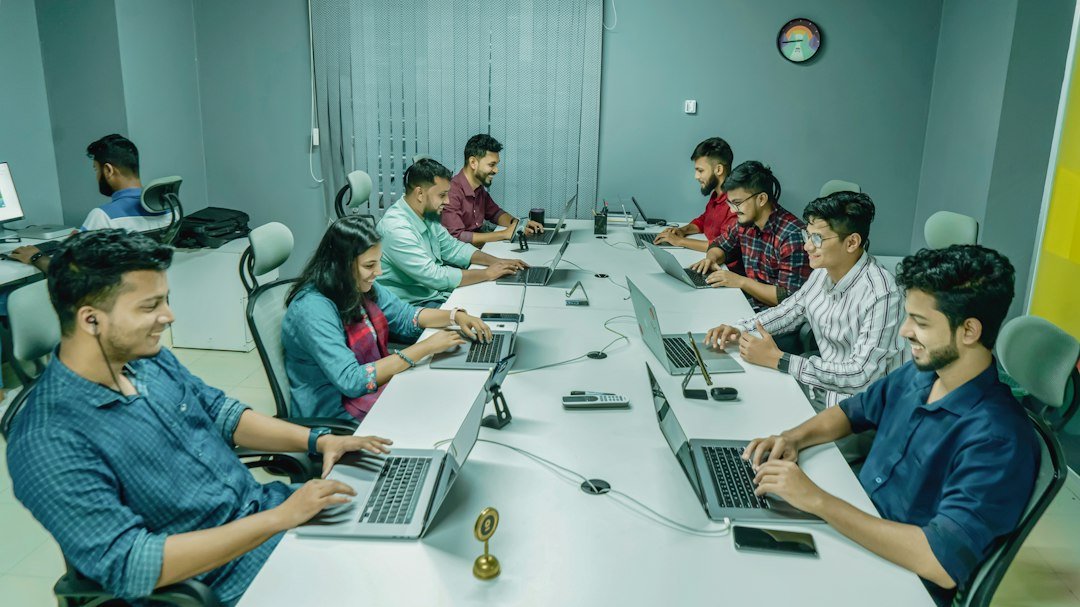
What Is Industrial Training? A Direct Answer
Industrial training is a short‑term, hands‑on learning experience where students work on real projects inside a company’s development environment, applying classroom concepts to solve actual business problems. For BCA, MCA and B.Tech students, it bridges the gap between theory and practice, giving you a taste of professional software development, testing, UI/UX design or digital marketing before you graduate.
Why Industrial Training Matters for Computer‑Related Degrees
Most engineering and computer science curricula focus on algorithms, data structures and core programming languages. While that foundation is essential, employers look for:
- Practical problem‑solving skills – can you debug a live application under pressure?
- Team collaboration – are you comfortable using version‑control, agile boards and daily stand‑ups?
- Industry‑standard tools – do you know Docker, CI/CD pipelines, cloud services, or design tools like Figma?
- Domain exposure – have you built a mobile app, an e‑commerce site or a marketing analytics dashboard?
Industrial training places you in a real work setting where you can develop these competencies, making your resume more credible and your confidence higher when you start job hunting.
How Industrial Training Differs From Internships and Projects
Although the terms are sometimes used interchangeably, there are subtle differences:
- Duration – Internships can be as short as a few weeks or as long as a year. Most industrial training programs are structured in 6‑week, 3‑month or 6‑month blocks, providing enough time to see a project from inception to delivery.
- Structure – Training is often curriculum‑aligned, with a mentor, defined learning outcomes and a formal certificate at the end. Internships may be more ad‑hoc, depending on the host company’s needs.
- Project focus – In industrial training you typically work on a live project that a client will use, whereas college projects are often simulated or academic in nature.
- Assessment – Training programs usually include periodic reviews, code reviews and a final evaluation, while internships may not have a formal assessment process.
Choosing the Right Format: 6‑Week, 3‑Month or 6‑Month
Each format serves a different career stage and learning goal. Consider the following when deciding:
- 6‑Week Sprint – Ideal if you want a quick immersion, perhaps during a semester break. You’ll complete a small module (e.g., a login system or a landing page) and get a solid introduction to the development workflow.
- 3‑Month Cycle – Suits students who can dedicate a full semester. You’ll experience the full agile cycle: planning, development, testing, deployment and client feedback. This length allows you to contribute to a medium‑scale web or mobile application.
- 6‑Month Deep Dive – Best for those who want to specialize, such as becoming a UI/UX designer or a digital marketing analyst. You’ll handle end‑to‑end product development, integrate analytics, and possibly mentor junior trainees.
Think about your academic calendar, personal commitments and the depth of skill you aim to acquire before choosing.
What Skills Do You Gain?
Industrial training is skill‑centric. Below is a non‑exhaustive list of competencies you can expect to develop, illustrated with concrete examples.
Technical Skills
- Web Development – Build a responsive e‑commerce site using React, Node.js and MongoDB. You’ll learn RESTful APIs, authentication, payment gateway integration and deployment on AWS.
- Mobile Apps – Create a cross‑platform fitness tracker with Flutter. You’ll handle state management, push notifications and Google/Fit API integration.
- UI/UX Design – Design a dashboard for a logistics client in Figma, conduct user research, create wireframes and prototype interactive flows.
- Digital Marketing – Run a Google Ads campaign for a local startup, set up Google Analytics, and produce SEO‑optimized content using keyword research tools.
Soft Skills
- Communication – Present weekly progress to a client, write clear documentation, and respond to feedback constructively.
- Teamwork – Collaborate with developers, designers and marketers using GitHub, Jira and Slack, learning the dynamics of a multidisciplinary team.
- Problem Solving – Debug a production bug that causes a mobile app crash, trace the issue through logs, and propose a fix within a sprint.
- Time Management – Prioritize tasks in a sprint backlog, estimate story points and meet delivery deadlines.
How to Make the Most of Your Industrial Training
Simply showing up isn’t enough. Follow these steps to turn the experience into a career catalyst.
- Set Clear Learning Goals – Before you start, list the specific tools or concepts you want to master (e.g., Docker containers, CI/CD pipelines, user persona creation).
- Ask for a Mentor – Request a senior developer or designer who can review your code, answer questions and provide feedback.
- Document Your Work – Keep a daily log of tasks, challenges and solutions. This becomes a valuable reference for interviews.
- Contribute to Discussions – Participate in sprint planning, retrospectives and client demos. Visibility shows initiative.
- Seek Feedback Early – Request code reviews after each feature, not just at the end of the project.
- Showcase Results – When the project goes live, add the link to your portfolio and write a brief case study.
- Network Within the Company – Connect with peers from other departments (e.g., QA, sales) to understand the broader product lifecycle.
Who This Training Is NOT For
Industrial training is intensive and outcome‑driven. It may not suit you if:
- You prefer purely academic study with no real‑world deadlines.
- You are unable to commit at least 20‑30 hours per week during the chosen training period.
- You expect a guaranteed job placement or a fixed salary after completion.
- You are looking for a short, unstructured experience without clear deliverables or assessment.
If any of these points describe you, consider a different learning path such as online self‑paced courses or campus‑based projects.
Frequently Asked Questions
What is the difference between a certificate from industrial training and a college degree?
A college degree validates your academic knowledge over several years, while a training certificate proves you have applied that knowledge on a live project in a professional environment. Employers often look for both: the theoretical foundation and evidence of practical execution.
Can I choose the technology stack I work with?
Most training providers, including industrial training programs at Alif InfoTech, align projects with current industry demand. You will typically work with popular stacks like MERN (MongoDB, Express, React, Node), Flutter for mobile, or industry‑standard design tools. If you have a strong preference, discuss it with your mentor early on.
Do I get a stipend or salary during the training?
Industrial training is primarily an educational experience. While some companies may offer a modest stipend, it is not a paid employment contract and should not be considered a source of income.
How is my performance evaluated?
Performance is measured through regular code reviews, sprint demos, and a final project presentation. You will receive a verifiable certificate that outlines the skills you demonstrated and the project outcomes.